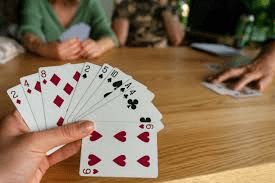
Card games have been a source of Freecreditmalaysia99 entertainment for centuries, offering not only a fun way to pass the time but also an opportunity to develop critical life skills. Among the many benefits of playing card games, two stand out as particularly valuable: strategy and patience. Whether you’re playing with friends, family, or in competitive settings, card games often require careful planning, foresight, and the ability to wait for the right moment to make your move.
In this article, we’ll explore several card games that teach both strategy and patience, providing mental challenges that help sharpen the mind and cultivate discipline.
- Chess Cards – The Fusion of Two Classic Games
While Chess itself is a game of strategy and patience, the card game Chess Cards takes it to a whole new level by combining elements of both chess and traditional card games. In this game, players use a deck of specially designed cards that represent different chess pieces and moves. The goal is to checkmate your opponent’s king, just like in chess, but with a deck of cards, which forces you to think strategically in new ways.
Players must carefully plan their moves, considering the long-term consequences of each card they play. It’s a game that not only challenges your tactical thinking but also teaches you how to approach situations with patience, as one wrong move can cost you the game. The game forces players to adapt, as they don’t have complete control over their pieces like they would in traditional chess. Strategic thinking and patience are key to success.
- Bridge – The Ultimate Trick-Taking Strategy Game
Bridge is one of the most respected card games worldwide, and for good reason. Played with a standard deck of 52 cards, it is a game of bidding, strategy, and trick-taking that requires both mental agility and patience. Typically played by four players in two partnerships, the objective is to win tricks by playing the highest card in the current suit or using a trump suit to override others.
Bridge is a game that emphasizes teamwork and communication, as partners need to work together to win hands based on the cards in their hands and what has already been played. Every hand is a new puzzle, requiring careful planning, calculated risk-taking, and the ability to assess probabilities based on the cards that have already been played. Patience comes into play as players must wait for the right opportunities to use their cards effectively.
- Poker – A Game of Bluffing and Long-Term Strategy
One of the most popular card games globally, Poker (especially Texas Hold’em) combines skill, luck, and psychology to create an exhilarating experience. The game is centered on betting and reading your opponents, and it requires players to carefully strategize throughout the course of the game.
Poker teaches strategy by requiring players to make decisions based on incomplete information, meaning they need to calculate probabilities and anticipate what their opponents might be holding. It also teaches patience, especially in games with multiple rounds of betting. Players must be patient, waiting for the right opportunities to make a move or bluff their opponents.
Poker is a game of calculated risk, and each hand presents an opportunity to adjust your strategy based on the cards you are dealt and the actions of your opponents. The key to winning in poker is to remain calm, think strategically, and know when to fold and when to go all-in, which often requires a great deal of patience.
- Solitaire – Perfecting Patience Through a Single Player Game
Solitaire might seem like a simple, solo game, but it’s an excellent exercise in patience and strategy. The goal is to move all the cards into four piles, sorted by suit and in ascending order. While the mechanics are easy to understand, the game presents numerous challenges that require careful planning and foresight.
The strategy in Solitaire involves making moves that keep options open, as well as planning several steps ahead. Sometimes, the best move is to wait and let the cards fall into place over time. Players need to develop patience in order to stay focused and avoid making rash moves. Solitaire is a great game for those looking to hone their patience and strategic thinking at their own pace.
- Rummy – A Game of Sets, Runs, and Strategic Discarding
Rummy is a classic card game that revolves around creating sets (three or four cards of the same rank) and runs (three or more consecutive cards of the same suit). The objective is to “meld” all of your cards into sets and runs, with the first player to do so winning the game.
At its core, Rummy is a game of strategy, where players need to carefully decide which cards to keep, which to discard, and when to meld. Unlike games where players have all the information available to them, Rummy requires players to track which cards are being discarded and try to predict which ones will be useful later on.
- Hearts – Strategic Trick-Taking and Long-Term Planning
Hearts is a trick-taking game where players try to avoid accumulating penalty points by not winning certain cards, particularly the hearts and the queen of spades. The game’s rules are simple, but the strategy is deep, requiring players to calculate their moves and anticipate their opponents’ actions.
A major aspect of Hearts is the concept of shooting the moon, where a player aims to win all the penalty cards in a round, which can result in them losing fewer points or others gaining more. To successfully “shoot the moon,” players must carefully plan their cards, read their opponents’ strategies, and time their moves perfectly, making patience a critical virtue.
Strategically, players must also decide when to “pass” certain cards to other players (an important aspect of the game) and when to be aggressive in taking risks. Hearts teaches players the importance of long-term planning and how patience can ultimately lead to a rewarding outcome.
- Euchre – Strategic Partnership and Timing
Euchre is a trick-taking game that’s typically played by four players, split into two teams. The goal of the game is to win at least three of the five possible tricks in a hand, with players using a trump suit to help them win. Euchre is unique because of the limited number of cards (a subset of the 52-card deck), and the strategy revolves heavily around knowing which cards to play at the right moment.
Patience is a key element, as players must wait for the right time to play their trump cards and ensure that their team’s hand is successful. Euchre also teaches partnership skills, as effective communication with your teammate is essential for success. Timing your moves and calculating risk factors, while waiting for your partner to take action, adds another layer of strategy to the game.
- Pinochle – A Classic Game of Melds and Trick-Taking
Pinochle is a trick-taking game with a focus on forming melds (specific combinations of cards) and winning tricks. Played with a 48-card deck, Pinochle is a highly strategic game that requires players to carefully plan and execute their moves to accumulate points.
Conclusion: Strategy and Patience as Life Skills
Card games are more than just a fun pastime—they are also valuable tools for developing important life skills. By playing games that require strategy and patience, players are better equipped to approach challenges thoughtfully and with perseverance. Whether you’re improving your ability to think ahead, practicing patience in the face of uncertainty, or learning how to make decisions under pressure, card games offer a rich environment for mental growth.
 Site Title